Local case study Kennington wedding bouquet before and after
Posted on 04/11/2026
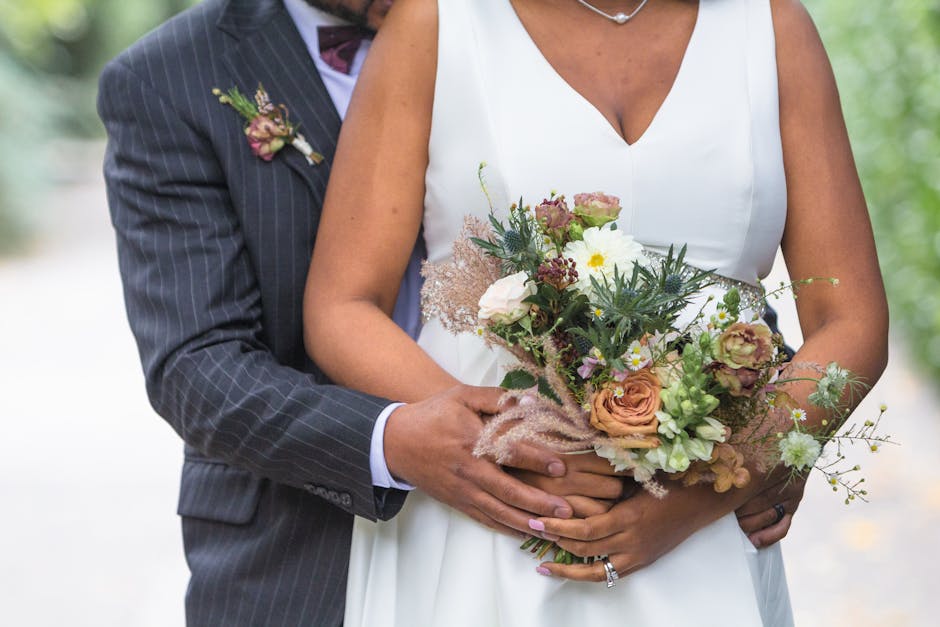
If you are searching for a Local case study Kennington wedding bouquet before and after, you are probably looking for more than pretty flowers. You want to see what actually changes between the first bouquet concept and the finished wedding bouquet: shape, colour balance, stem length, movement, texture, and how the design feels in real life. That is fair enough. Wedding flowers are personal, and in a place like Kennington, where venues can range from intimate local spaces to more polished city settings, the bouquet has to look good in photos and still feel right in your hands.
This guide walks through the before-and-after thinking behind a wedding bouquet transformation, using a local Kennington lens. You will see why these comparisons matter, how the process usually works, what makes the biggest visual difference, and how to avoid the common mistakes that lead to a bouquet feeling either too busy or a bit flat. We will also cover practical planning advice, wedding flower choices, and a realistic checklist you can use if you are deciding on your own bouquet.
Truth be told, a good bouquet is rarely about one dramatic flower. It is usually the small changes that make it sing.
Table of Contents
- Why this before-and-after case study matters
- How the bouquet transformation works
- Key benefits and practical advantages
- Who this is for and when it makes sense
- Step-by-step guidance
- Expert tips for better results
- Common mistakes to avoid
- Tools, resources and recommendations
- Law, compliance, standards, or best practice
- Options, methods, or comparison table
- Case study or real-world example
- Practical checklist
- Conclusion
- Frequently asked questions
Why Local case study Kennington wedding bouquet before and after Matters
A before-and-after bouquet case study is useful because it shows the design process, not just the final polished picture. Lots of wedding flower pages show the finished bouquet, but that only tells half the story. The real value is in understanding what changed and why. Did the bouquet become softer? Did it gain more movement? Were a few flowers swapped out to make it more seasonally sensible or easier to carry? Those details matter if you want a bouquet that feels elegant rather than overworked.
For Kennington couples, this can be especially helpful because local weddings often need flowers to perform in more than one setting. You might have a ceremony space with low natural light, a reception with warm indoor tones, or a quick outdoor photo stop where the bouquet needs to hold up against a grey London sky. A bouquet that looks lovely on screen but awkward in person is, well, a bit of a trap.
Before-and-after analysis also helps with trust. When you can see how a bouquet evolved, you get a clearer idea of the florist's judgement. You can see whether they know how to simplify a design, sharpen the colour palette, or adjust the size so it suits the person carrying it. That kind of judgement is often the difference between a bouquet that looks expensive and one that just looks expensive-ish.
In practical terms, these case studies help you:
- understand what is realistic for your budget and season
- spot the design choices that improve photographs
- compare your own ideas with a finished bouquet outcome
- see how local wedding flower styles can be adapted for Kennington venues
If you are browsing wedding flower options, the broad selection in wedding flower collections and the more focused Kennington wedding flowers page can also help you understand the sort of styles commonly used for bridal work.
How Local case study Kennington wedding bouquet before and after Works
The process behind a bouquet transformation is usually straightforward, though the detail takes care. A florist starts with the brief, the wedding style, the dress, the venue, the season, and the general feel the couple wants. Then the bouquet is refined in stages. The "before" version might be a first concept, a rough sample, or an initial design direction. The "after" version is the corrected, balanced bouquet that solves the practical issues uncovered along the way.
Here is what often changes between those two stages:
- Shape: a bouquet may go from compact and round to looser and more organic.
- Colour balance: one colour may be reduced so the bouquet feels calmer.
- Flower choice: blooms may be swapped for sturdier or more seasonally appropriate stems.
- Texture: airy filler flowers or greenery may be added to soften heavy-looking clusters.
- Stem finish: wrapping, ribbon, or stem length may be adjusted for comfort and appearance.
That sounds simple, but the visual effect can be dramatic. A bouquet with too many competing elements can feel busy from a few feet away. After refinement, it might read as graceful and intentional. You notice this especially in photos taken just before the ceremony, when the bouquet is close to the dress and everyone is slightly nervous and trying not to spill champagne on the aisle. It happens.
In wedding floristry, the best "after" is not always the biggest bouquet. Often it is the one that looks more resolved. A cleaner outline, fewer distracting tones, a better proportion between focal flowers and supporting blooms. The design starts to breathe.
For brides and planners, that means a local case study is not just a pretty story. It is a decision tool. It shows how a bouquet can be improved through observation and adjustment, not guesswork.
Key Benefits and Practical Advantages
There are several solid reasons to use before-and-after examples when planning wedding flowers in Kennington. Some are visual, some are practical, and some are just about avoiding headaches later on.
1. You can see the florist's decision-making
A strong bouquet is rarely about luck. It is about proportion, restraint, and timing. A before-and-after example reveals whether a florist knows when to remove a stem, when to add green, and when to leave enough negative space so the bouquet does not look cramped.
2. You get a more realistic idea of scale
Photos can be deceiving. What looks generous in a close-up may feel too small in the hand. A case study helps you judge size against the body, not just against a clean studio background. For local weddings, that matters because venue proportions vary so much.
3. It helps with colour confidence
Many couples know what they like broadly, but not how their colours behave together. A bouquet can look romantic in theory and muddy in practice. The before-and-after approach helps show how colour is tuned so it feels rich without becoming noisy.
4. It supports better budgeting
When you can see where a bouquet was simplified or enhanced, you get a better sense of where value sits. Sometimes the smartest adjustment is not adding more flowers, but choosing the right flowers and arranging them better. Let's face it, flowers can be a bit like shoes: the right fit matters more than the label.
5. It improves the final wedding photos
Bouquets that are balanced in shape and texture tend to photograph better from multiple angles. The bouquet sits well against the dress, works in close-up shots, and still looks composed in wider ceremony images. That is the sort of quiet success people notice later.
Expert summary: The strongest bouquet transformations usually improve clarity, not just size. If a bouquet feels calmer, more balanced, and more true to the wedding style after the changes, the design has probably moved in the right direction.
Who This Is For and When It Makes Sense
This kind of local wedding bouquet case study is especially useful for couples who want to make informed decisions before the big day. It is also helpful for planners, bridesmaids, and family members who are helping choose the final floral look. If you are the person comparing photos at 10pm with a cup of tea and ten browser tabs open, yes, this is for you too.
It makes sense if you are:
- planning a wedding in or around Kennington
- trying to choose between a few bouquet styles
- not sure whether you want classic, modern, romantic, or relaxed florals
- working with a venue that has specific visual or practical limits
- interested in bridal flowers that feel personal, not generic
- looking for a better understanding of what wedding bouquet styling can actually achieve
It is also useful when you are deciding between a larger bridal bouquet and a more restrained one. Bigger is not always better. Sometimes a smaller bouquet with stronger structure and better flowers feels far more elegant.
For couples who want a fuller wedding package, pairing the bouquet with bridesmaid bouquets, buttonholes, and table arrangements can create a much more cohesive look across the day.
Step-by-Step Guidance
If you are working through your own bouquet planning, here is a sensible way to approach it. No drama, just a clear process.
- Start with the wedding setting. Think about where the bouquet will actually be seen. Indoor light, outdoor photos, a church aisle, a registry office, or a reception room all affect how flowers read.
- Choose your main mood. Romantic, fresh, modern, classic, or seasonal. If you try to hold too many moods at once, the bouquet can lose its shape.
- Select one leading flower story. Roses, lilies, lisianthus, orchids, or mixed seasonal blooms each create a different impression. One strong idea is usually better than five weak ones.
- Decide on supporting flowers and greenery. These are not filler in the lazy sense. They are what create flow, softness, and balance.
- Review the first version carefully. Ask what feels too heavy, too dense, too pale, too bright, or too rigid. A good florist will expect this.
- Make practical adjustments. This might mean changing stem length, improving grip, adjusting ribbon, or swapping a bloom that will not last as well through the day.
- Check the bouquet in real light. Natural daylight and indoor lighting can change the look completely. A bouquet that seems perfect at midday may feel different at six in the evening.
A useful little rule: if the bouquet feels lovely in your hand and looks steady in photographs, you are close. If it only works in one of those two situations, it needs another pass.
For people who like to browse by flower type or price point, pages such as bridal bouquet styles, luxury flowers, and flowers in a vase can also help narrow the visual direction, even if the final wedding design is custom-made.
Expert Tips for Better Results
These are the small things that make a visible difference. Not flashy. Just smart.
- Keep the palette disciplined. Two or three main tones are often enough. More than that, and the bouquet can start to lose its elegance.
- Balance soft and structured blooms. For example, pairing fuller roses with lighter, more delicate flowers can stop the design feeling blocky.
- Think in layers. A bouquet should have a front, middle, and background, even if the design is hand-tied and informal.
- Mind the ribbon and stem finish. This is the bit people often overlook. The bouquet can be beautiful and still feel unfinished if the stem wrap looks rushed.
- Ask how it will age during the day. A bouquet that starts strong but wilts fast is a problem you do not want on a wedding morning.
- Use the dress as a reference. Lace, satin, embroidery, and neckline all change what bouquet shape looks best.
One practical note from real-world wedding flower work: if the bouquet is going to be carried for a while before the ceremony, comfort matters more than people expect. A bouquet that is too heavy or awkward can become genuinely annoying. Not a crisis, obviously. But enough to steal focus.
If you are unsure about style, a florist-led choice can help. The florist choice approach works well for couples who trust the designer but still want a clear mood. It can also be a good way to let seasonal availability guide the final result.
Common Mistakes to Avoid
Most bouquet problems are avoidable. The tricky bit is that they often look small at the planning stage and large on the day.
- Trying to include too many colours. A rainbow effect sounds fun, but it can dilute the bridal look if it is not handled carefully.
- Ignoring the dress silhouette. A bouquet that works with a simple gown may fight with a detailed one, or the other way around.
- Choosing flowers only because they are trendy. Trends come and go. Your wedding photos do not.
- Making the bouquet too large for the wearer. This is more common than you might think. A bouquet should complement the person, not swallow them whole.
- Forgetting practical durability. Some flowers are beautiful but need more careful handling. That is fine if you plan for it. Not fine if you do not.
- Skipping a full visual review. You need to see the bouquet in context, not just at arm's length in a workshop.
Another easy mistake is chasing perfection until the bouquet loses personality. A little movement in the stems, a natural bend in a bloom, a slightly uneven edge - these are often the things that make the bouquet feel alive. Too polished and it can look a bit stiff. Like it is trying too hard, which flowers should never do.
Tools, Resources and Recommendations
You do not need a shelf full of specialist equipment to plan a wedding bouquet, but a few simple tools can make the process smoother.
- Mood board or inspiration album: collect a handful of images, not fifty. Too many references can blur the brief.
- Venue photos: send images of the ceremony and reception spaces so the florist can judge light and scale.
- Dress image: even a fitting-room snapshot helps with proportion and tone.
- Colour notes: write down the shades you want and the shades you definitely do not want.
- Delivery timing plan: especially useful if you are coordinating multiple wedding items on the same day.
For broader planning, useful site pages include delivery information, flower care advice, and service guarantees. These pages are handy when you want to understand how flowers are handled, delivered, and supported after purchase.
If you are still comparing gift or celebration options for the wider wedding party, a look through any occasion flowers or romance-themed arrangements can be helpful for complementary ideas. Not all wedding planning is strictly bridal, after all.
Law, Compliance, Standards, or Best Practice
For wedding bouquets, the main compliance issues are usually less about formal regulation and more about responsible business practice, product quality, and clear customer communication. In the UK, florists are generally expected to provide goods and services that are described accurately and handled with reasonable care. That means clear order details, sensible substitutions where needed, and honest communication about timing or seasonal availability.
Best practice also includes:
- explaining if certain flowers are seasonal or subject to availability
- confirming delivery expectations in advance
- offering care guidance for fresh flowers
- stating terms for substitutions, refunds, or service issues clearly
- handling personal data and customer information responsibly
For wedding work, this matters because bouquets are time-sensitive and often part of a larger event schedule. A good florist should be clear about what can be promised, what may need to change, and how any changes will be communicated. That clarity is part of trust. Simple as that.
If you want to understand how a florist approaches service detail more broadly, pages like terms and conditions, privacy policy, and returns and refund information can help set expectations before you place an order.
Options, Methods, or Comparison Table
There are several common ways to approach a wedding bouquet, and each one creates a different result. The right choice depends on your venue, style, and how much visual structure you want.
| Approach | What it looks like | Best for | Typical trade-off |
|---|---|---|---|
| Classic hand-tied bouquet | Rounded, balanced, traditional | Timeless weddings and structured dresses | Can feel less relaxed if overworked |
| Loose garden-style bouquet | Soft, airy, natural movement | Romantic, seasonal, modern weddings | Needs careful handling to avoid looking messy |
| Small posy bouquet | Compact and neat | Minimalist looks, civil ceremonies, petite frames | May feel understated in large venues |
| Statement bouquet | Larger, fuller, more dramatic | Fashion-led weddings and bold styling | Can be heavy or visually dominant |
| Florist-choice bouquet | Tailored to available blooms | Flexible couples who trust the florist | Less control over exact flower mix |
If you are trying to decide between these, think about what you want the bouquet to do. Should it lead the look, or simply support it? That one question clears up a lot.
Case Study or Real-World Example
Here is a realistic Kennington-style example based on the kind of transformation couples often ask for. A bride wants a bouquet that feels soft, romantic, and not too formal. The initial direction uses pale pink and white tones with fuller blooms, but the first version looks slightly dense and a bit too round for the dress. It is pretty, yes, but it does not quite have the lightness the couple imagined.
In the revised version, the bouquet is opened up visually. A few heavier clusters are broken apart, the colour distribution is softened, and the supporting flowers are adjusted so the bouquet has more movement. The stem wrap is also refined to look cleaner in photos. The result is not dramatically different at first glance, which is often the point. But when you look closely, the balance is better. The bouquet feels less crowded, more modern, and easier to hold for a longer period.
That sort of change matters most in the moments just before the ceremony. There is often a short pause, the room goes quiet, somebody is adjusting a veil, and the bouquet is suddenly in every photograph. That is when the refined version earns its keep. It reads well from across the room and still feels intimate close up.
If the couple also wants the flowers to carry through the rest of the day, matching pieces such as wedding corsages and wedding gifts can help keep the whole floral story consistent without making everything look identical. Consistent, not copy-pasted. There is a difference.
Practical Checklist
Use this before you finalise your bouquet brief. It will save time, and probably a little stress too.
- Have you chosen the overall wedding style?
- Do you know the venue lighting and general colour tone?
- Have you shared dress photos or at least a clear description?
- Have you decided whether you want classic, romantic, modern, or seasonal florals?
- Do you know your preferred main colours and any colours to avoid?
- Have you asked about flower availability for the date?
- Have you considered how heavy the bouquet will feel in hand?
- Do you know if ribbon, wrapping, or stem finish is included?
- Have you checked whether the bouquet needs to coordinate with bridesmaids or buttonholes?
- Do you have a clear delivery or collection plan for the wedding day?
Practical takeaway: the best bouquet decisions are usually the ones that balance beauty with ease. If the design looks right, feels comfortable, and suits the day, you are in good shape.
Conclusion
A Local case study Kennington wedding bouquet before and after is valuable because it turns floral design into something you can understand and judge properly. Instead of guessing what a bouquet will look like on the day, you get to see how shape, colour, texture, and scale evolve from the first idea to the finished result. That makes planning calmer and, honestly, more enjoyable.
For couples in Kennington, the key is not to chase the biggest bouquet or the trendiest flower. Focus on balance, comfort, and how the bouquet fits the rest of the wedding. The best designs usually feel effortless in the end, even if a lot of thought went into them. That is the whole point, really.
Get a free quote today and see how much you can save.
And if you are still in the early stages, take your time. Good wedding flowers have a way of settling into place once the right choices are made. There is no need to rush the lovely bit.
Frequently Asked Questions
What does a before-and-after wedding bouquet case study actually show?
It shows how the bouquet changed from the first concept or early version to the final finished design. That might include changes to colour balance, flower choice, bouquet shape, stem length, or overall texture.
Why is a Kennington wedding bouquet case study useful?
Because local weddings often need flowers that work in real venues, real light, and real timing conditions. A Kennington-specific example helps you picture what suits the area's mix of intimate spaces, city settings, and photos taken in natural London light.
How do I know if my bouquet needs refining?
If it feels too heavy, too busy, too flat, or slightly off against the dress, it probably needs refining. Even small changes can make a surprisingly big difference.
Is a bigger bouquet always better for a wedding?
No. Bigger can be beautiful, but it can also be awkward to hold and harder to balance visually. The best bouquet is usually the one that suits the person, the dress, and the setting.
What flowers work well for a wedding bouquet before-and-after comparison?
Roses, lilies, lisianthus, orchids, hydrangea-style blooms, and seasonal mixed flowers all show changes clearly because their shape and texture can be adjusted in visible ways.
How far in advance should I discuss my bouquet design?
As early as you reasonably can, especially if you want a specific colour palette or seasonal flowers. Early discussion gives more room to adjust the design if availability changes.
Can I ask for a bouquet that looks softer after the first version?
Yes. That is one of the most common and sensible requests. Softer usually means more movement, lighter spacing, and a less rigid outline.
What should I send a florist before booking wedding flowers?
Send venue photos, dress inspiration, colour preferences, any flower dislikes, and the wedding date. If you have a visual mood board, even better. Just keep it focused rather than overwhelming.
Are seasonal flowers better for wedding bouquets?
Often, yes, because they are usually more natural to source and can look fresher in the overall design. Seasonal flowers also tend to suit the feel of the day more easily, though a florist can advise on alternatives.
How do I make sure my bouquet photographs well?
Ask for good structure, clear colour balance, and a finish that looks tidy from different angles. Also think about how it sits against the dress. That matters more than people expect.
What if I want something elegant but not overly traditional?
Ask for a design with a clean shape, softer movement, and a modern colour palette. You can keep the bouquet refined without making it stiff or old-fashioned.
Do I need matching bridesmaids' flowers and buttonholes?
You do not have to, but matching or coordinated pieces can make the whole wedding feel more intentional. Even a small amount of consistency goes a long way.
What is the most common mistake people make with wedding bouquets?
Trying to fit too many ideas into one design. A bouquet works best when it has a clear direction. One strong idea is nearly always better than five competing ones.
How can I compare bouquet options without getting overwhelmed?
Pick three things to compare: shape, colour, and comfort. If you compare more than that, you can start losing the wood for the trees. Happens all the time.